.png)
Orientation, mentor matching, and training in research methods, research ethics, data handling, and VSC's research protocols. You complete a baseline skills assessment and are placed on a research track team.
%202.svg)

.svg)
.svg)
.svg)
.svg)



Why More Applications Do Not Guarantee Interviews for International Students


How Immigration Uncertainty Shapes Job Search Strategy and Outcomes

Career Intentions vs. Labor Market Outcomes Among Chinese International Students in the U.S.

All three published briefs draw on original survey data collected from 182 student participants between April and May 2026. All VSC research is published free of charge to students, universities, and the public.

Orientation, mentor matching, and training in research methods, research ethics, data handling, and VSC's research protocols. You complete a baseline skills assessment and are placed on a research track team.
.svg)

.png)
Your team takes on an eight-week supervised project from the VSC project library: outreach, structured interviews, survey administration, data organization, and analysis, ending with a written deliverable and a formal revision round with your mentor.


You move from guided projects to VSC's flagship research programs, working alongside our research staff. Six-month fellows close this phase with a capstone presentation, a completed portfolio, and a Program Certificate.

.png)
Senior fellows lead. You may serve as peer lead for an incoming cohort, mentor new fellows, pursue contributor credit on VSC publications, present at our annual research showcase, and complete an individual capstone project of your own design under faculty-level review.

Hiring pathways, employer expectations, and career progression for graduates entering business, finance, and economics roles.

Technical hiring practices, portfolio and interview expectations, and outcome patterns for graduates in computing fields.

Quantitative role placement, credential recognition, and the transition from academic to applied analytical work.

Career pathway breadth, non-linear outcomes, and the translation of social science training into labor market positioning.

Licensure, sector structure, and employer
requirements across engineering and environmental disciplines.

Portfolio-driven hiring, language and cultural factors, and outcome patterns in communications, media, and creative industries.
.svg)
Cleans, structures, and analyzes survey and secondary datasets; produces the quantitative findings that anchor each study.
you have coursework in statistics, economics, data science, or any quantitative method.
.svg)
Recruits participants, conducts structured and semi-structured interviews, and maintains field notes under protocol.
you are comfortable talking to people and listening carefully.
.svg)
Drafts report sections, translates findings into clear prose, and manages revision cycles with the supervising researcher.
you write well in any discipline.
.svg)
Conducts interviews and reviews source material in both English and Chinese; ensures meaning is preserved across languages.
Good fit if you work fluently in both languages.
.svg)
Manages study logistics, participant scheduling, institutional outreach, and data collection timelines.
Good fit if you are organized and like keeping projects moving.

.png)
Dr. Franks directs VSC's research agenda and provides methodological supervision across all six research areas. She is an international educator with seventeen years of professional experience, including eleven years leading academic programs in China, and is the author of VSC's three published research briefs.
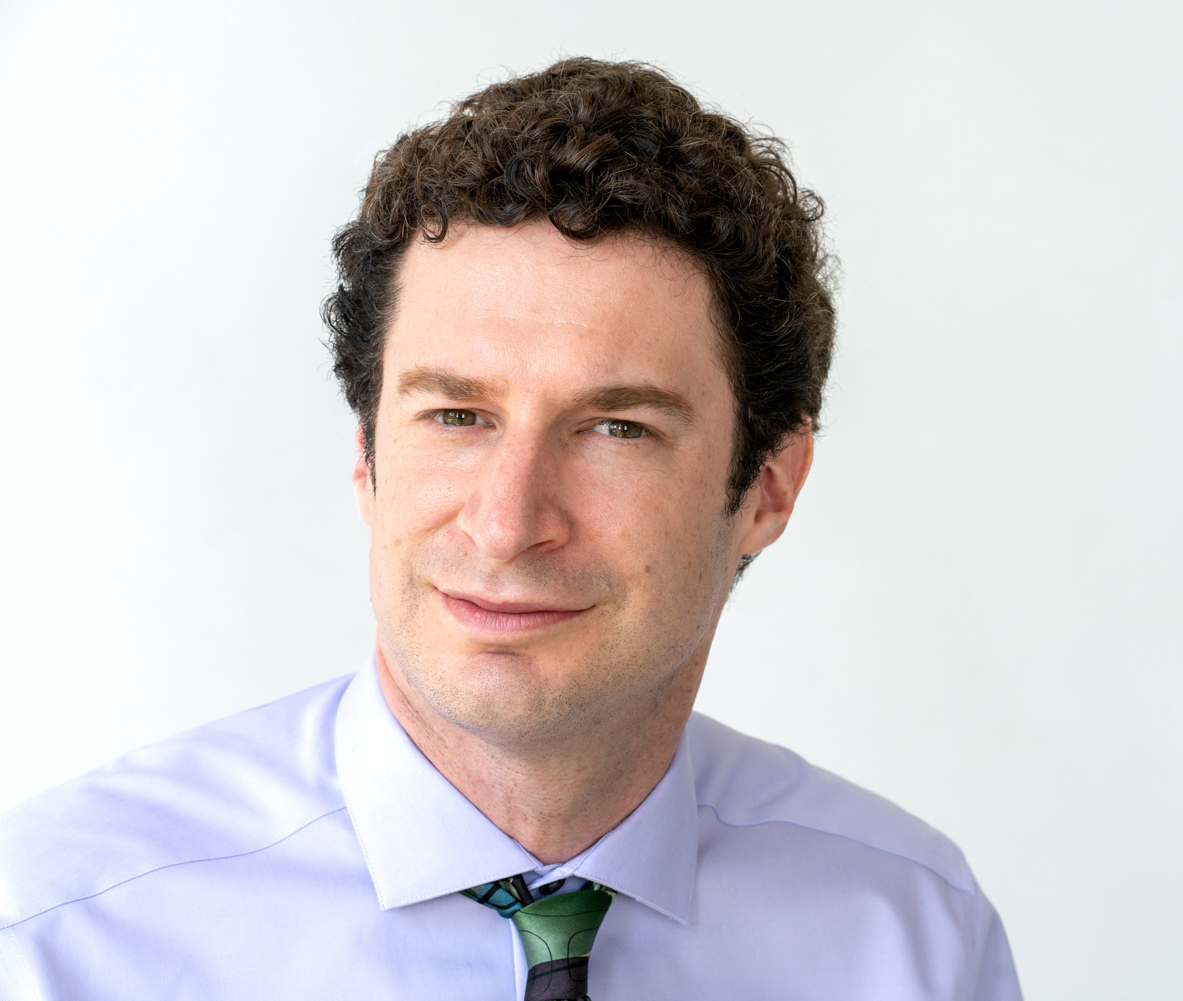
Dr. Sugar oversees VSC's institutional research collaborations and mentors fellows working on institutional practice questions.
Current enrollment as an undergraduate, master's, or doctoral student at a U.S. institution, or graduation within the past twelve months
Demonstrated analytical or communication capability through coursework, thesis work, professional experience, or equivalent
Capacity to commit 5 to 8 hours per week for the full length of the chosen track
Genuine interest in the research questions, not only in the credential
.svg)
Open to all majors: STEM, Humanities, Social Sciences, Business & Communications.
Working proficiency in both English and Chinese is required for the Bilingual Research Associate role and is an asset in field research roles. It is not required for the program overall.
Prior formal research experience is helpful but not required. Methods training is Phase 1 of the program, ensuring every fellow builds a foundation in data handling and ethics.

All human-subject participation is voluntary and consented in writing.
.svg)
Individual respondents and employer informants are not identifiable in any published output.
.svg)
Research data is stored under access control and retained according to VSC's written data management policy.
.svg)
Authorship and contributor credit are based on contribution. Fellows who meet authorship criteria appear as named contributors on published work.
.svg)
All VSC publications are freely available. No paywall, no institutional subscription, no fee to students or universities.
Answer text goes here
Faq Answer
Faq Answer
Faq Answer
Faq Answer
Faq Answer
Faq Answer
Faq Answer
.svg)
Send a CV, a statement of research interest of approximately 500 words, and one writing sample.
Applications are reviewed by the research team on a rolling basis.
Shortlisted candidates meet with a member of the research team.
Accepted fellows are assigned a research area, a role, and a mentor, and begin at the start of the next cohort.
Give them a good answer. Join a research team, build a portfolio, and work with mentors who invest in you.
The Research Mentorship Program is operated and funded by Virtuous Sea Corp, a California nonprofit public benefit corporation recognized as tax-exempt under Section 501(c)(3) of the Internal Revenue Code (EIN 87-4525590). There is no cost to fellows at any stage.
%201.png)
.svg)
.svg)
.svg)